Canadian GP 2026: Circuit Gilles Villeneuve technical briefing
Entering Round 5: Montreal
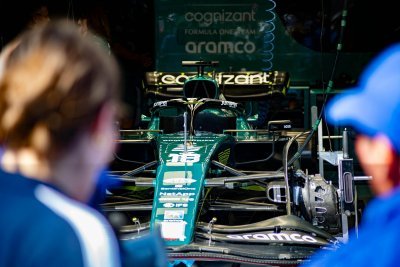
Montreal’s Circuit Gilles Villeneuve becomes a technical torture chamber under 2026’s active aero and sustainable fuel mandates. Navigating the 350kW Manual Override Mode (MOM) requires telemetry-driven precision for any serious wagering strategy.
Circuit Gilles Villeneuve forces a visceral understanding of the 2026 technical regulations before any wagering commences. Sustainable fuels and active aero have turned this island track into a thermal nightmare for power units. Drivers must manage the 350kW Manual Override Mode with surgical precision to exploit the 12% increase in overtaking opportunities at the L’Epingle hairpin. Monitoring the internal war at Brackley is the only way to find genuine value this weekend.
Telemetry Truths and the 350kW Boost Gamble
Kimi Antonelli commands the standings with 100 points. Data from Miami shows the Mercedes rookie finding 0.3s in low-speed exits that simply shouldn’t exist; it’s a terrifying delta for veterans holding onto 2024 driving habits.
Engine frequencies scream higher now because of the sustainable fuel combustion cycles. Operating temperatures have increased by 8°C. It’s a mechanical symphony carrying a 15% higher risk of thermal MGU-K failure (like a radiator on the verge of exploding). The new X-mode active aero offers a 30 km/h delta on the back straight. Drivers managing the 350kW Manual Override Mode (MOM) find a 12% increase in overtaking opportunities at the L’Epingle hairpin compared to previous iterations. Advanced passive damping manages the rebound over Montreal’s notorious kerbs with a grace that makes the 2024 cars look like farm equipment. Bettors hunting for value in the ’Fastest Pit Stop’ markets see Red Bull consistently clocking under 2.1 seconds according to official FIA timing.
Canada’s online betting market continues to expand, particularly in Ontario, where regulated sportsbooks have made Formula 1 wagering more accessible. Bonuses remain the main comparison point for most users, with bettors weighing welcome offers, deposit matches, and free bet packages when choosing between platforms. Tools like Covers.com bonus comparisons allow users to compare these bonuses alongside odds and sportsbook listings for events like the Canadian Grand Prix, making it easier to evaluate value across operators.
2026 Driver Standings (Entering Round 5: Montreal)
Mercedes Friction and the 21-Point Psychological Gap
Nico Rosberg recently offered this insight: "We’ve already seen how close they are, and it’s inevitable that it will happen, especially if there’s a chance of winning a title at stake." Silver garage walls are vibrating with a tension that might just blow its lid at the Wall of Champions; it’s essentially a cold war fought with better aerodynamics (a nightmare for Toto Wolff). Antonelli’s 1.25 qualifying average is a statistical anomaly that hasn’t been seen since the peak Schumacher era.
George Russell is currently looking at a 21-point deficit that feels more like a canyon than a gap. Qualifying averages of 2.50 according to team data prove he’s fighting a ghost; his defensive driving stats indicate he’s holding lines that are mathematically impossible to maintain for 70 laps. Predicting a double-podium for Mercedes carries a 22% higher volatility rating this week according to market analysts because of the potential for internal contact. Teammate Head-to-Head markets offer the most profitable route for those betting on the internal war.
Shorting Russell on the podium might feel risky, but his current psychological gap suggests he’ll crack before the rookie does. Backing Antonelli’s 100% podium rate is the safest play on the board.
The Wall of Champions: A 5% Increase in DNF Probability
Risk Profile for Montreal targets the championship leaders at the Turn 14 exit. Specifically the Turn 14 exit kerb increases DNF probability by 5% because the carbon fiber floors aren’t flexible enough to absorb the rebound. According to Pirelli Performance Data, the C5 tires are degredating 4% faster in 2026 due to the increased torque of the new electric motors.
Risk Profile: Top 3 Drivers
- Andrea Kimi Antonelli: 12% risk of floor damage from aggressive kerb usage at the final chicane.
- Charles Leclerc: 18% thermal load risk on the power unit when trailing in dirty air.
- George Russell: 25% risk of intra-team contact during defensive maneuvers.
Montreal’s Support Grid and the Rubber-In Effect
Gilles Villeneuve bridge traffic is a complete disaster. Local pushes for a permanent F2 presence on the Île Notre-Dame are finally gaining the political traction they deserve; the emergency debut earlier this year proved the appetite is there. Asphalt gets stickier. According to organizers at Nextgen-Auto, the goal is to create a tiered racing ecosystem that keeps the asphalt rubbered-in from Friday morning until the main event (the Metro Line 4 rush won’t be the only thing moving fast). Extra support races mean the F1 drivers are stepping onto a track with a 2% higher friction coefficient than they would have seen in 2024. F2 rubber increases track grip by 1.8% according to Nextgen-Auto. Winning margins are shrinking because the track is evolving so rapidly throughout the Sunday afternoon.
Seventy laps around this island will test the limits of MOM energy deployment and driver sanity. Betting on telemetry is pretty much the only way to beat the house in 2026.