F1’s 2030 V8 engine could feature twin turbos
"We know for sure that it will be a V8"
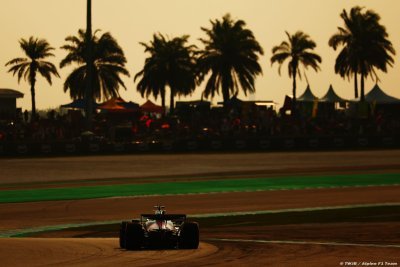
Formula 1’s planned return to V8 engines in 2030 is taking a new direction, with reports suggesting the next generation of power units could feature twin turbochargers and a much smaller hybrid system.
According to f1-insider.com, discussions are now focusing on a 3.0-litre twin-turbo V8 running on sustainable fuel, rather than the simpler engine concept initially envisaged.
The development comes immediately after the chaotic race at Sepang, where a wet-weather software problem left several cars stranded on the formation lap and forced the FIA to issue an emergency update.
Carlos Sainz said the incident demonstrated how unnecessarily complicated Formula 1’s current regulations have become.
"With a naturally aspirated V8 engine, this would never have happened," he said.
Ralf Schumacher was equally scathing on Sky Deutschland.
"So many millions are invested, and then they can’t even manage to start the race in the rain," said the former F1 driver. "It’s a bad joke - a tragedy."
However, the proposed 2030 engine would not be naturally aspirated.
The report claims that two smaller turbochargers are now under consideration, potentially offering faster response and reduced turbo lag compared with a single larger unit.
The hybrid component would also shrink dramatically, from the current maximum 350kW of electrical power to around 100kW or even less.
The changes could reduce overall power unit weight by approximately 50 kilograms while allowing drivers to spend more time at full throttle rather than managing electrical energy.
Audi has reportedly supported the twin-turbo concept, which could also have applications in high-performance road cars.
"We know for sure that it will be a V8," said Mattia Binotto. "2030 is the earliest possible date for its introduction."
The target is to finalise the regulations before the end of 2026, allowing manufacturers to begin development next year.