The Rise of "Sprint" Weekends: A New Dynamic
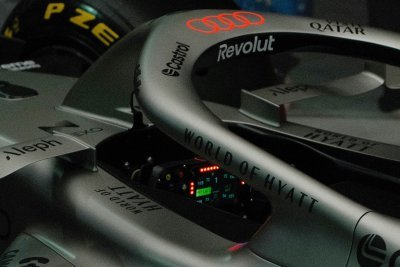
Formula 1 has always been a sport of "measure twice, cut once." For decades, the rhythm of a Grand Prix weekend was predictable, like hours of methodical practice and a chess-like approach to Sunday’s main event. But the introduction of the Sprint format has effectively taken that chessboard and tossed it into a wind tunnel.
It’s no longer just about who has the fastest car; it’s about who can think on their feet when the safety net of practice time is ripped away.
The shift is visceral for the drivers. In a standard weekend, they have three full hours of practice to find their flow. In a Sprint weekend, they get sixty minutes. That’s it. One hour to dial in the aerodynamics and get comfortable with the braking zones before they are thrust into a "shootout" that determines the grid. It’s a high-wire act where a single lock-up or a gust of wind doesn’t just ruin a lap. It can derail the entire weekend’s momentum.
This "no-safety-net" environment has fundamentally changed how we watch the sport. On a traditional Saturday, you’re watching a technical exercise in perfection. During a Sprint Saturday, you’re watching a scramble.
The shorter race distance on Saturday afternoons removes the need for the "tire whispering" and fuel-saving games that sometimes make the middle of a Grand Prix feel like a procession. Instead, it’s a flat-out drag race to the points. Drivers who usually play the long game are forced to get aggressive, and midfield teams see a rare window to take risks they wouldn’t dare attempt on a Sunday.
This heightened volatility has fundamentally reshaped fan engagement. The 2026 season has seen Formula 1 move from treating wagering as a peripheral category to an official fan product. As the sport’s first-ever official betting operator, Betway has integrated real-time telemetry into its F1 sports betting online platform. This allows fans to engage with the frantic ’scramble’ of a Sprint weekend by wagering on in-race strategy—from the timing of a ’Manual Override’ boost to the sudden volatility caused by an active aero malfunction.
Of course, not everyone is a fan of the frantic pace. Purists often argue that the Sprint takes away from the "Grand" in Grand Prix and suggest that by the time Sunday rolls around, we already know too much about who has the best race pace. There’s also the very real fear of "expensive carbon fiber." A crash in a Saturday Sprint can leave a mechanic pulling an all-nighter just to get a legal car on the grid for Sunday, and it sometimes forces teams to start from the pit lane and effectively end their weekend before the main event even begins.
Beyond the immediate impact on the drivers and the pit wall, the shift toward Sprint weekends represents a fundamental evolution in the "product" of Formula 1. For decades, Friday was a day for die-hard enthusiasts to watch cars circulate in relative silence. Now, every day of the weekend has a "winner" and a "loser." This constant state of competition has turned F1 from a technical hobby into a high-stakes narrative that mirrors the intensity of a playoff game in other major sports.
The Rise of the Sprint is a reflection of a modern era that craves immediate stakes. It has turned Formula 1 from a three-day marathon into a series of interconnected sprints. While the debate over the "soul" of the sport will likely continue in the paddock, there’s no denying that the dynamic has shifted. We are seeing more overtakes and "hero-to-zero" moments than before. In a sport that used to be decided in the factory months in advance, the Sprint has put the power and the pressure firmly back into the hands of the person behind the wheel.