Embedded Payment Infrastructure and the Future of Connected Vehicles
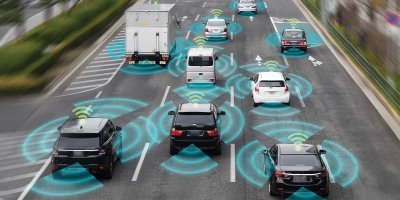
How secure digital payment infrastructure, fintech integration and in-vehicle transactions shape the future of smart mobility ecosystems.
The automotive sector is transitioning from mechanical engineering dominance to software-defined ecosystems. Vehicles are no longer isolated machines but connected platforms capable of real-time data exchange and digital transactions. The same secure processing frameworks used in fintech platforms, including models similar to Upaycard сasinos, demonstrate how integrated payment gateways can operate seamlessly within secure digital environments. This convergence between automotive systems and payment architecture signals a new phase in mobility design.
Software-Defined Vehicles and Financial Integration
Modern vehicles increasingly rely on centralized computing platforms. Leading electric models now operate with unified operating systems that manage infotainment, driver assistance, navigation and connectivity.
Key characteristics of next-generation automotive software include:
- Over-the-air updates without dealership visits
- Cloud-based telemetry processing
- Integrated digital wallets
- Secure authentication for driver identity
- Industry data indicates that more than 80 percent of new vehicle models released after 2023 include embedded connectivity modules. These modules enable not only remote diagnostics but also in-vehicle purchases such as charging sessions, subscription upgrades and digital services.
Payment integration inside vehicles reduces friction. Drivers can authorize tolls, parking and charging directly through dashboard interfaces.
Digital Payment Security in Automotive Systems
Automotive cybersecurity has become a critical engineering discipline. Payment modules inside vehicles must meet banking-grade encryption standards.
Core security layers include:
- End-to-end encryption protocols
- Tokenized transaction processing
- Multi-factor authentication via biometric sensors
- Isolated secure hardware modules for data storage
Reports from automotive cybersecurity audits show that vehicles equipped with hardware security modules reduce digital intrusion risks by more than 40 percent compared to legacy infotainment systems. Secure elements prevent unauthorized access to payment credentials.
As vehicles become mobile transaction points, cybersecurity moves from optional enhancement to core infrastructure requirement.
Charging Networks and Real-Time Transactions
Electric mobility expansion requires reliable digital payment systems. Public charging infrastructure increasingly depends on automated billing through connected vehicle systems.
Important performance benchmarks include:
- Transaction authorization under 10 seconds
- Real-time balance synchronization
- Automated billing reconciliation
- Dynamic pricing integration
Electric vehicle adoption continues to accelerate. Global EV sales surpassed 10 million units annually, with charging network growth following similar trajectories. Embedded payment frameworks simplify charging authentication, eliminating physical cards.
Seamless processing directly impacts driver satisfaction. Delayed transaction approval can disrupt charging flow and reduce infrastructure efficiency.
Data Analytics and Monetization Models
Connected vehicles generate large volumes of operational data. Manufacturers analyze usage patterns to develop subscription-based features and value-added services.
Emerging monetization streams include:
- Advanced driver assistance upgrades
- Performance unlock packages
- Connectivity subscriptions
- In-car entertainment services
Analysts estimate that software-driven revenue in the automotive sector could represent up to 25 percent of total manufacturer income within the next decade. Payment integration is essential for this transition.
Embedded financial systems allow instant feature activation. Drivers can unlock services without visiting service centers, creating a digital-first ownership model.
Regulatory Compliance and Infrastructure Scalability
Automotive payment systems must comply with digital finance regulations and data protection standards. Compliance frameworks demand secure encryption, transaction traceability and user consent transparency.
Scalable cloud infrastructure ensures:
- 99.9 percent system uptime
- Real-time transaction validation
- Distributed server redundancy
- Automated fraud monitoring
As connected vehicle fleets expand, backend infrastructure must handle millions of concurrent transactions without latency spikes. High availability architecture reduces downtime risks.
The integration of fintech principles into automotive ecosystems reflects broader technological convergence. Secure digital payments are no longer limited to online platforms. They are becoming foundational elements of smart mobility systems.
Connected vehicles represent a fusion of transportation engineering, software architecture and financial technology. Embedded payment infrastructure supports real-time transactions, subscription monetization and seamless service integration. The automotive industry now operates within a digital economy framework where cybersecurity, scalability and payment efficiency define long-term competitiveness.