Ben Sulayem keeps pushing for lighter V8-powered F1 future
"What’s the worst thing about cars now?"
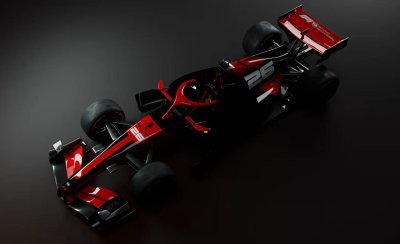
FIA president Mohammed Ben Sulayem is continuing to champion a return to lighter, louder and cheaper Formula 1 cars powered by V8 engines.
While Formula 1’s current manufacturers have now agreed to revisions for the 2027 and 2028 engine regulations, Ben Sulayem is already looking further ahead to the next rules cycle.
Speaking to Canal Plus, the FIA president said today’s cars have become too complex, too expensive and too heavy.
"What’s the worst thing about cars now?" he said.
"The complexity of the systems, the huge amount of money spent on development, the costs, and also the big car."
"A big and heavy car means what? It means it’s unsafe."
Ben Sulayem said the FIA has added weight in recent years for safety reasons, but now wants to reverse that trend.
"Now I’d like to see a car, a fully finished car, weighing less than 650 kilograms. My goal is 630."
The Emirati believes a return to naturally aspirated V8 engines running on sustainable fuels would help achieve that target.
"You’ll have the power of an internal combustion engine, perhaps 760 horsepower, with 10 percent electrification. That will make a sound. It will be much cheaper."
He also argued that development costs would fall dramatically.
"The research and development will be much cheaper," Ben Sulayem said. "The engine itself is much lighter, more enjoyable to use, and spectators will hear the sound."
He believes the proposal would benefit fans, teams and manufacturers alike.
"We need to support the business and the love of the sport," he said. "We need to give something to the fans."
Ben Sulayem added that a future switch would only happen after consultation with Formula 1’s manufacturers and teams.
"It’s important to consult with the teams, especially with those who supply the power units," he said.
But he made clear that if agreement can be reached, he would welcome an earlier move.
"If they want to do it a year earlier (than 2031), we’d be very happy because it would be easier to do and cheaper."